PORTSMOUTHPOINT

  • Subscribe to our RSS feed.
  • Twitter
  • StumbleUpon
  • Reddit
  • Facebook
  • Digg
Showing posts with label Music. Show all posts

Sunday, September 15, 2013

Review: "I Wanna Be Yours"

Posted on 6:54 AM by Unknown
by Louisa Dassow
John Cooper Clarke (right)
(24.media.tumbler.com)
Overly excited on the morning of the 9th September, I sat arguing with my laptop that my iPod was connected. Of course I was attempting to download "AM", the new Arctic Monkeys album before I had to scramble to get ready for school. Now I'd like to imagine that this frantic downloading experience was the reason that my brain made no immediate connection with the final song of the album, "I Wanna Be Yours". Alongside the other track names such as "Knee Socks" and "Why'd You Only Call Me When You're High?", it didn't strike me as being out of place and it fitted with the more generic song titles that came to mind (indeed within the rest of my music library I have seven other songs which begin I want/I wanna).

But I was wrong; it was definitely not a generic choice of song title. 

When I finally reached the last track, the first line struck a memory bell inside my head; but it didn't quite ring true and I simply couldn't place where I'd heard the words before. It wasn't until perhaps the sixth time I listened to it that I was flung back into my old English classroom, I had spent hours studying the poem and I had even written my own version of the abstract lyrics. It's a staple of the English curriculum. So why on earth was it on the Arctic Monkeys' album (see video below to hear the song)? 
 
The bulk of the lyrics in this song were actually written almost thirty years ago by the punk poet John Cooper Clarke. The man in question already held a place on my iPod for his poem "Kung Fu International", but he is also rumoured to hold a place on part of Alex Turner's anatomy in the form of a tattoo, however if such a tattoo exists it has not yet been revealed to the public. Either way the poet definitely holds a place in Mr Turner's heart who claims that Clarke showed him that he could sing in his northern accent and his poetry inspired him to give song-writing a go. When writing the song "From the Ritz to the Rubble" (another favourite of mine), Turner was trying to emulate the style of his literary hero.

The song "I Wanna Be Yours" does contain all of the original poem; however, the band made a slight alteration, adding in the lyrics "Secrets I have held in my heart/Are harder to hide than I thought". Personally I don't think the additional lines add much more to the poem; however, in the context of the song the slight change in tone makes it slightly more interesting to listen to. The song is fairly melancholic, which doesn't quite capture the almost ironic meaning of Clarke's poem, but Turner defends this representation of the poem saying that the juxtaposition of the original meaning and the sound of the song makes it "more exciting" and he says his unusual twist is simply him being a "smart-arse."
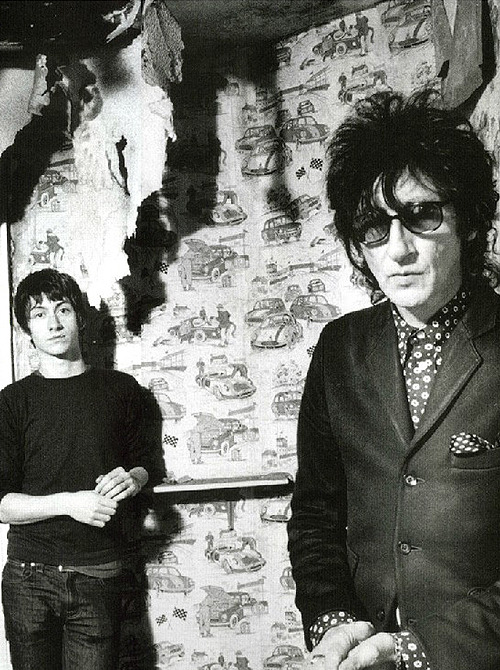
The song does have Clarke's personal approval and I'm sure that, in this case, John Cooper Clarke's opinion is the most important opinion to the band. Anyway, I like it.



Read More
Posted in Art and Literature, Blog Exclusive, Music | No comments

Sunday, September 1, 2013

Favourite Album: 'OK Computer' by Radiohead

Posted on 4:06 PM by Unknown
The fifth of a series of articles (originally published in the ‘Fight Club’ issue of Portsmouth Point magazine) exploring favourite music albums. Today, Ben Wallis explains why Radiohead's 'OK Computer' is his favourite album.

Radiohead are a band who will always divide opinion, comparisons with Marmite come to mind. Having released their first album twenty years ago in 1993 and remaining active to this day, the band have explored a wide range of styles through 8 albums, any of which are worthy of praise and critical analysis, but it is the third album 1997's 'OK Computer' that just manages to stand above the rest, defining Radiohead as one of the most innovative bands of the modern era. The album's brilliance comes from the combination of musical excellence, artistic commentary on modern life and cultural significance. Through his lyrics, Thom Yorke explores themes of consumerism, social alienation and modern isolation, with a penetrating degree of emotional honesty that makes OK Computer a stark and unforgiving commentary on the state of modern life, that is as meaningful now as it was 16 years ago.

Ok Computer is an album that refuses to abide by convention, in contrast to the simplicity of britpop at the time, the album is ambitious using unconventional song structures, such as the six minute long 'Paranoid Android' and focusing on irregular chord progressions. Similarly the guitar work of Jonny Greenwood is exceptional; solos are innovative and aggressive in defiance of tradition and tear songs apart and build them up again. Guitar is also used to express the emotions of particular songs, for example in 'Subterrarian Homesick Alien' the guitar takes on an airy and otherworldly feel that perfectly reflects the subject matter of the song. Usually instrumentation is also seen in 'Climbing Up The Walls' where strings are used to create a dark and tense atmosphere, rather than their typical use in a pop song. Showing once again the album's adventurous and experimental nature, that it pulls off so convincingly.

Lyrically OK Computer is the Radiohead album when singer Thom Yorke was at the height of his powers. It's full of striking, beautiful and thought provoking imagery, an example that stands out is found on 'No Surprises' where Yorke sings, "A heart that's full up like a landfill" comparing the centre of the human body and emotion with a place for disposing waste is a tragic image and is an example of the imagery that fills the album.

Significantly, the album is a commentary on the modern lifestyle, track 7 'Fitter Happier' is not technically a song, as there's no singing, instead a computerised voice reads a series of goals for modern life, "Fitter, happier, more productive, comfortable, not drinking too much" and so on. As the list progresses contradictions and ironies emerge, "Concerned, but powerless. An empowered and informed member of society." The whole piece is worthy of analysis equal in length to this article; it is a criticism of the ideal lifestyle presented to us and the conformity that Thom Yorke feels so oppressed by.


Often described as 'The first 21st centaury album' OK Computer stands as a great album due to it's far reaching influence. It signalled the end of the Britpop era ruled by Blur and Oasis by being something completely different and sounding truly cutting edge. After this Radiohead spawned a host of imitators and they have been cited as influence by many of the most successful bands of the next decade, such as Muse, Coldplay and Bloc Party. The calm and moody characteristics of much modern 'indie rock' can be attributed to the impact of Radiohead on the music industry.


So what makes an album the greatest ever? In my opinion: musical excellence, innovation, lyrical depth and influence; OK Computer does all of these. It is an album of an exceptional band at their best; experimental enough to be interesting and not scared to take risks, but still a commercial success, charting at number one in the UK, and with a depth of meaning that sadly absent in much of the music industry. 
Read More
Posted in Music | No comments

Saturday, August 31, 2013

Favourite Album: 'Dark Side of the Moon' by Pink Floyd

Posted on 4:04 PM by Unknown
The fourth of a series of articles (originally published in the ‘Fight Club’ issue of Portsmouth Point magazine) exploring favourite music albums. Today, Mark Richardson explains why Pink Floyd's 'Dark Side of the Moon' is his favourite album.

“By the way, which one’s Pink?”

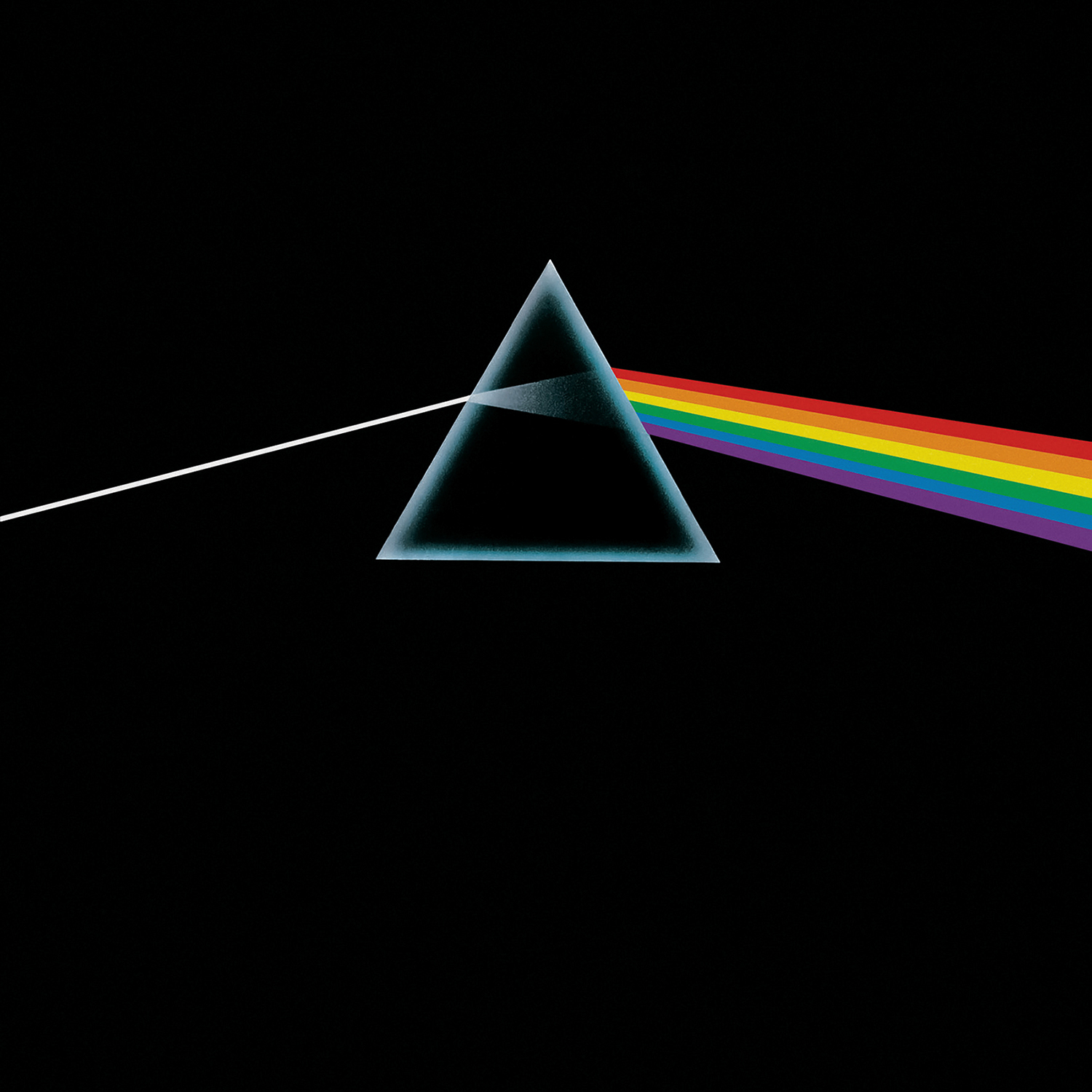
The title comes from ‘Have a Cigar’, a song that appeared on the 1975 album Wish You Were Here, the long-awaited follow-up to this issue’s piece on music, namely Pink Floyd’s The Dark Side of the Moon. Yes, I know there are other albums being dissected elsewhere in this notable organ, dear reader, (“Mum! He’s being old fashioned and condescending towards me!” “Darling, he’s just trying to inject a little old-fashioned style into his writing.” “Well, it’s not working.” “True, but bless, he is getting on”). I hear tell of stories that suggest that OK Computer is being considered, for instance, at least one horrified whisper expressing shock that there are no Beatles’ records in the offing, and another pondering the delicious possibility that Captain Beefheart’s Trout Mask Replica might be offered for your delectation. (“Now he’s just making up words!”) How wonderful if the last rumour were true. But I just thought it was worth highlighting a classic piece of vinyl that might have missed your attention, and which definitely ought not to be missed.

Why now? Well, by the time you read this, April 18this likely to be but a vague memory. No doubt lots happened that day, but one of them was important enough to be given some prominence on national news, which was the death of Storm Thorgerson, for over forty years the designer of numerous album sleeves. As soon as the news finished, I put on the LP the bulletin used as its iconic example of his work, and an album which I just HAD to listen to again. It was, of course, Pink Floyd’s The Dark Side of the Moon.

Technically, I did not put on any LP: I fired up my iTunes library and used the Remote app to beam the MP3 version throughout the house. Vinyl is all very well, but digital is more user-friendly when making an unprompted choice. The system played not only Dark Side but also continued with the rest of the Floyd playlist. By the time it got to the soundtrack album More my wife politely asked why we were listening to this rubbish, which was a fair point: the band’s reputation will not rest on that album. Indeed, their output has been incredibly diverse, and I parted company with the Floyd experience with Animals, and my decision was confirmed when The Wall came out. Whatever Floyd had become, they weren’t mine any more.

There are two reasons why the album is worth talking about here: firstly, it’s both a tour de force, being a mixture of soul, electronica, jazz, English lyricism, songs both poppy and trippy, and a culmination of many distinct elements from their previous work; secondly, it’s a sustained body of work, not a loosely-connected bunch of songs, a work that may well come to symbolise the music business of the sixties and early seventies, as well as the cultural life of an aspect of Western life in general and that of Britain in particular.

From the opening heart-beat, which segues into a variety of elements that are later to be found in the rest of the record and which in turn launches into ‘Breathe’, through the stereo-busting electronica and found noises of ‘On The Run’, into the clocks chiming at the start of ‘Time’ (with its famous lyric ‘Hanging on in quiet desperation is the English way’) to the concluding wordless singing of session singer Claire Torry at the end of ‘Great Gig in the Sky’, the first side of the album was jaw-dropping in its ambition, its reach, its musicality and its feel. This was an English band, for goodness’ sake. Oh yes, they had been clever, jokey, brimming with incredible ability and originality. But playing with ‘feel’? That was new.


The second side starts with more found noises, this time cash registers. The use of the non-musical noises recorded elsewhere and then added in later is a signature element of the band, and the discordant noise of money being collected is a deliberately offensive and ironic opening to the second side. What is here? Well, as with the Beatles before them, in ‘Taxman’ on Revolver, it’s a song about success. But whereas the Beatles’ song was, excuse the pun, a bit rich, banging on about how much tax they had to pay as a result of fame and fortune to an audience who had to pay for the album and who were never going to be asked to pay such an exorbitant level of income tax, this song is mocking the culture of consumerism. We then move into the patient ‘Us and Them’, which contains oblique references to the war, perhaps WW1, and then we cut straight into ‘Any Colour You Like’, with delicate keyboards and shimmering guitar, which then moves into the darker reaches of ‘Brain Damage’ with its references to lunacy, lunatics being a term that was coined because it was thought that mental instability was connected to the phases of the moon, and then the final moments of ‘Eclipse’, where everything is undermined, as ‘everything under the sun is in tune’ (which is great) but ‘the sun is eclipsed by the moon’ (not so great). Finally, with the muttered observation that ‘as a matter of fact there’s no dark side of the moon: it’s all dark’, we are back to the heartbeat of the opening, and the journey is over.


Conceived as two long songs, one on each side of the album, the LP marked the band’s turning point from being an ‘underground’ and counter-culture band to being a wildly popular stadium act, whose last appearance was part of the Live 8 Hyde Park concert in 2005. It was quickly used as a favourite demo disc for retailers selling hi-fi equipment, and its most lucrative song, of course, turned out to be ‘Money’. With hindsight, it was their last record as a unified group: in the future lay bitterness, feuding and contempt: dark, not pink. Oh, and Thorgerson himself never liked that cover!
Read More
Posted in From Teachers, Music | No comments

Favourite Album: 'Quadrophenia' by The Who

Posted on 11:10 AM by Unknown
Third of a series of articles (originally published in the ‘Fight Club’ issue of Portsmouth Point magazine) exploring favourite music albums. Today, Tim Bustin explains why The Who's 'Quadrophenia' is his favourite album.

Often dubbed as the last great Who album, Quadrophenia is overly ambitious, incredibly complex yet utterly brilliant – a summarisation for the music of rock heavyweights The Who.

    In 1973, after creating such classic albums as Tommy, Live at Leeds and Who’s Next,there was intense pressure on Townshend to once again write something spectacular, to meet the ridiculously high expectations of The Who’s quality of music. That something was Quadrophenia: a rock opera (where the music tells a story), set in 1960’s England, where riots between rival gangs of Mods and Rockers caused violence and destruction; the main character of the story being a teenage Mod named Jimmy, who is torn between fashion and depression, different emotions of love and anger, following “a way of life” and rage at that life’s let downs.

    Quadrophenia returns The Who to its Mod roots and gives insight on 1960’s culture (the film version of the album shows this better) but as a piece of music it represents the conflicting emotions and struggles of Jimmy, as a varied and emotional work of genius. The album is essentially his story and feelings.

    There’s a staggering 17 songs, which are often constructed around four leitmotifs - the themes of Quadrophenia: Jimmy’s differing personalities of romantic, maniac, tough guy and depressed – hence he is Quadrophenic. These are represented musically and allow each song to take its own mood swing and hence make the album exciting and constantly developing.

    The Real Me, being the first track on the album, sets the scene for the story and music. It truly shows what The Who are capable of – John Entwistle plays the part of lead guitar on his bass to the background of Keith Moon’s hell-bent drumming, as Roger Daltery screams the pain of Jimmy. Townshend refrains his electric guitar to a backing instrument but makes it fit in with Moon’s endless drum rolls. Horns blare in the background as the song blends into the intro of the next – the title track, a six minute instrumental between drums, synthesiser, background noises, piano, brass, strings and every guitar imaginable, all playing interweaving themes of stupefying complexity. 


A photo booklet for the album helps to explain the story throughout, including for the second equally long instrumental, The Rock, where Jimmy takes a boat out across a stormy sea to a solitary rock far out from land, contemplates suicide, but finally returns to land, for the finale Love Reign O’er Me – a truly powerful force, at a permanent high, resulting in Jimmy’s realisation of truth that he can be who he wants. The imagery created by the music even in the instrumentals lets you visualise these events occurring – the heavy drums and high guitar screams let you feel the power of the storm; the changes from sweet depression to anger and power shows the mood swings, such as in Sea and Sand and I’m One; the raw power of the chords on The Punk on the Godfather pulse outrage.


    Quadrophenia is undoubtedly the pinnacle of The Who’s career, showing once again Townshend to be a composer than a songwriter and that the sheer talent of Moon’s insane drumming, Entwistle’s genius bass playing, Daltery’s power vocals and Townshend’s musical brilliance can create both the sounds of serenity and destruction all on the same record.
Read More
Posted in Music | No comments

Favourite Album: Sounds of a Playground Fading by In Flames

Posted on 11:06 AM by Unknown
Second in a series of articles (originally published in the ‘Fight Club’ issue of Portsmouth Point magazine) exploring favourite music albums. Today, Fraser McKenzie explains why In Flames' 'Sounds of a Playground Fading' is his favourite album.

There is a reason why these Swedish pioneers of melodic death metal have continued to captivate, delight and infuriate for nearly two decades while entire battalions of copycat bands have come and gone with little impact: Their constantly evolving vision is one of progression. Therefore, it is no wonder that the metal world routinely awaits their impending new releases with a shivery mix of giddy anticipation and nervous apprehension.

    Whether it was the grungy, melodic riffs of The Jester Race or the electronics-laden ear-candy of Your Escape, In Flames have always managed to deliver quality music and it is safe to say that nothing much has changed for album number ten for the Gothenburg quintet, Sounds of a Playground Fading.

    The more hardcore amongst the metal-head population will be glad to hear that the band continue to maintain their thrash-metal-esque reputation but that’s not to say that you have to be a seasoned head-banger to enjoy this album. As they always have, the band experiment with electronic synth to deepen the texture of their pieces and the resultant melodic conglomerate gives the perfect combination of old and new. Classic tracks such as Ropesexplore these traits to the fullest extent and the result left me wanting to keep listening, but feeling anxious about what’s to follow.

    The opening track Sounds of a Playground Fadingcontains everything that a current fan would expect from the band. The unmatched combination of deep, powerful drum-lines with melodic yet somewhat crunchy guitar riffs ensures that the band has stayed true to its death-metal roots, whilst pioneering the genre further still. The mellow vocals of front-man, Anders Fridén, provide the perfect accompaniment to this epic Scandinavian ensemble.


    As well as being one of the most critically acclaimed melodic death metal albums of the last decade, Sounds of a Playground Fadingalso boasts a vast range of styles amongst its tracks ranging from the fast-paced and thrashy Enter Tragedyto the melancholy power ballad Liberation. It’s clear that this compilation of Nordic musical mastery has something that appeals to all musical tastes, including those new to the band.

    But that’s not to say that In Flames have forsaken their humble origins. Track number three All For Me instantly reminds you of the old In Flames days. This nostalgic melody ought to make the long-time fans of the group feel like their witnessing a return to the underground sound of the bands middle albums. From the first riff, all the way up to the first verse, you’d easily be fooled that the old In Flames were back.


    Upon hearing the first verse the new, modern In Flames musical style hits you like a tonne of bricks and you are immediately immersed in the bands new style and image, which even the most hardened of metal-heads would approve of. It is clear that Sounds of a Playground Fading is a retrospective album that provides the ideal mixture of the “good old In Flames” whilst still demonstrating that the ambitious Swedes continue to lead their genre into the future.
Read More
Posted in Music | No comments

Friday, August 23, 2013

Favourite Album: The Place We Ran From by Tired Pony

Posted on 1:19 AM by Unknown
The first of a series of articles (originally published in the ‘Fight Club’ issue of Portsmouth Point magazine) exploring favourite music albums. Today, George Neame explains why Tired Pony’s ‘The Place We Ran From’ is his favourite album.

 Tired Pony is the brainchild of Gary Lightbody, frontman of the more well-known alternative rock band Snow Patrol. The idea of a ‘country-tinged supergroup’ came to him in a bar in Ireland many years ago, but it was only in 2010 that this became reality. Enlisting members from bands such as R.E.M and Belle and Sebastian, The Place We Ran From was recorded in less than a week and peaked at number 17 in the UK Albums Chart.

Opener ‘Northwestern Skies’ begins with a subtle, echoing guitar strum, before becoming overlain with a slow drum beat and piercing acoustic twangs, giving it an instant sense of nostalgia and simplicity, one that screams ‘Americana’ and sounds somewhat foreign but somewhat familiar. The tune is throbbing, pulsating, and instantly lulls the listener into a state of calmness and serenity. Even the lyrics (‘There’s no answers in the tempest, just a million other questions, so just let it take you over, so that we can learn our lesson’) seem to be saying ‘take a seat, watch the world go by; what will be will be’. ‘Get on the Road’ follows, recruiting female American vocalist and actor Zooey Deschanel to sing the lyrics in unison with Lightbody, an exquisite and harmonious effect that amplifies the passion of the song.

‘Point Me at Lost Islands’ and single ‘Dead American Writers’ are shorter, snappier and more upbeat tunes that transform the album from a tranquil love letter to a euphonic blast of hi-hats, rhythmic guitar strums and piano riffs. Here the group show their incredible versatility, with songs that make you want to tap your feet, dance along and sing out loud. One of the most touching and poignant songs on the album, ‘Held in the Arms of Your Words’, follows an incredibly basic chord pattern, but clearly simple is sometimes best. There is little to it apart from an acoustic guitar and crooning vocals, yet this again creates a soothing, peaceful atmosphere that cumulates with the swinging, swaying repetition of the chorus. There is, at times, a sense that it will never end, accompanied by the hope that it won’t.


The second half of The Place We Ran From experiments with different styles, vocalists and tempos, but each with the same characteristic pluck of the guitar and soothing rhythm. Finally, the all-too-short ten-track album comes to a defining finale with ‘Pieces’, the tone of which is set from the first thirty seconds with a stabbing bass line and drum beat. The lyrics echo chillingly until the very last line, when an epic crescendo begins to brew, an organised chaos with a clattering of pianos, drums and strained electric guitars. Undoubtedly the loudest and densest point of the album, it is also the high point, a song that transposes itself so quickly into something completely new and novel, a final release of energy in an album that does nothing if not calm the soul.

Tired Pony’s debut is undoubtedly the greatest album ever. It is innovative, smart and passionate, and features some of the most expressive lyrics ever written, including ‘There isn’t one magical word, but a carnival of them instead’ and ‘They can’t have got that far, ‘cos I can still see some swinging locks’.  Just sit back, relax and get swept away by the peaceful beauty.
Read More
Posted in Music | No comments

Thursday, July 11, 2013

History of the “Rock Opera”

Posted on 1:35 AM by Unknown
Part 3 of 3 rock opera-related articles by Tim Bustin

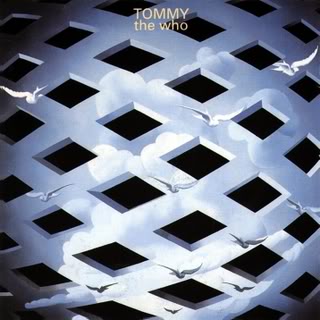
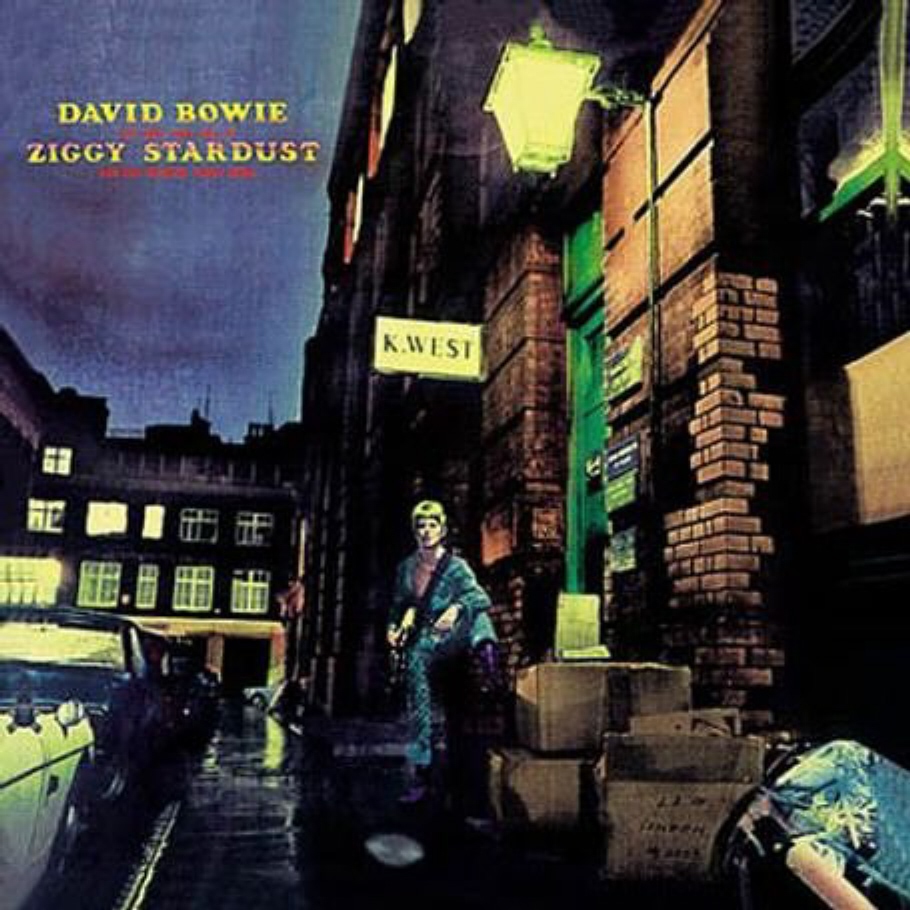
The term itself sounds like an oxymoron, implying both a combination of “cool” and pretension (whilst also not clarifying what on earth it is). David Bowie’s (The Rise and Fall of)  Ziggy Stardust and the Spiders From Mars, The Who’s Tommy and Quadrophenia, Green Day’s American Idiot, Jesus Christ Superstar, Pink Floyd’s The Wall – indisputable classics all of them, and each structured around some epic tale – music, exploited in its induction of emotions, used in connection with the lyrics to tell a story.


The term opera brings to mind vast theatres, over-singing and several large dollops of pure boredom, but really it’s a term used to describe where a (usually long) piece, or collection of musical pieces, are used as a way of storytelling. Way back in 1966, the story goes something like this: The Who’s lead guitarist and primary songwriter, rock legend Pete Townshend, was joking around one evening with one of the band’s managers, Kit Lambert (son of Constant Lambert, the composer) and some friends, listening to all sorts of different rubbish music, when, fairly drunk, a comedy song made someone shout out “It’s rock opera!”


Quite surprisingly, one bout of hysterics later, Kit remarked “That’s not a bad idea” So, in order to fill a missing nine minutes at the end of their 1966 A Quick One album, the world’s first rock opera emerged – A Quick One While He’s Away, the mini rock opera. It’s a rather strange story, about infidelity between a forlorn girl guide and an engine driver named Ivor. Yeah, I know. And of course, being at that difficult second album stage, they just said “cello” over and over again to save money on hiring a strings section. It’s a pretty good song actually, despite certain, unimportant, details. Split into six sections, it’s a fast moving tale of love, emotion, youth, sex, and ultimately forgiveness. Not necessarily a noble start for this well-used song/album format, but, trust me, it gets better.


The Who tested the mini-rock opera idea again on their third album, The Who Sell Out. At this time, finance was an issue, and apparently the band’s rhythm section (if it can be called that), drumming icon Keith Moon and hugely influential bassist John Entwistle, were flirting with the idea of going off and joining this new band called (christened by Moon) "Led  Zeppelin". Townshend meanwhile was becoming obsessed with the idea of a rock opera album. Tommy is a complex and compelling story dealing with murder, trauma, bullying, child abuse, sex, drugs, illusion, delusion, altered consciousness, spiritual awakening, religion, charlatanism, success, superstardom, faith, betrayal, rejection and pinball.


A young boy, born as WW1 concludes with his father missing in action, becomes deaf, dumb and blind when he witnesses his returning father murdering his wife’s new lover. The boy’s parents attempt to cure his psychological issues, as Tommy lives in a vibration world, reaching a sort of enlightenment. Finally cured, after abuse which he never knew occurred, he tries to teach others of his ways, though is ultimately rejected, due to human propensity for greed and their inability to sacrifice desires. Now, granted, it sounds more pretentious than forty years of Yoko Ono, but the brilliance of Tommy is that the lyrics never detract from the power of the music: Roger Daltrey’s singing verges between beauty and ferocity, Moon’s drumming is as hell-bent as ever, whilst Townshend’s sublime guitar with matching Entwistle bass produces an album of supreme quality, which turned The Who’s fortunes around overnight, established Townshend as a composer, not a mere songwriter, and paved the way for others to create classic albums. (Tommy is 96th on Rolling Stone’s 500 Greatest Albums of All Time list).


This was in 1969, and it was only next year when the album version of Jesus Christ Superstar (by Andrew Lloyd Webber and Time Rice) was released (turned into a stage production in 1971). But it was when David Bowie decided to attempt launched his own rock-opera masterpiece, with his outrageous alter-ego Ziggy Stardust that the rock opera really kicked off. Bowie’s “Ziggy” character is iconic to say the least; flamboyantly dressed and sexually promiscuous. It was Bowie’s lust for fame and attention that allowed such a creation to exist, and to give the character extra depth, the story of Ziggy Stardust was written – a ludicrous, “far out” idea, Ziggy is the messenger for inter-dimensional beings, getting out his ideas through the medium of rock and roll, in a time where people have lost hope and faith, with the ending of Earth being nigh due to man’s exploitation of the world’s resources. Eventually, the travelers (or “infinites”) arrive and take pieces of Ziggy to better integrate with human beings, killing him. Parallels with Tommyare obvious – worship, suffering, the hero’s downfall – yet the music is nowhere near, except in genre. Bowie’s rock songs sometimes sound mild, though the overall product is of course fantastic, with that same distinctive voice carrying the tunes, a solid backing band producing music that’s hard to not want to hear. And now, rock opera had two amazing, equally accomplished, pieces of work, and it had been proved that this genre could be used for great results. (The Rise and Fall of Ziggy Stardust and the Spiders From Mars is 35th on Rolling Stone’s 500 Greatest Albums of All Time list).


1973 saw The Who, now fathers of a new genre, release their second rock opera, Quadrophenia. It’s a part documentary of 1960s Mod culture (exploring its fashions, ideals, “way of life”), told through the life of a young Mod named Jimmy, struggling to adhere to the rules of his lifestyle, fighting with rival gang the Rockers, while he attempts in vain to find love and discover who he truly is amongst his four-way personality split (each personality representing a member of The Who – hence he is quadrophenic). The music is vastly complex, the two 6-minute instrumentals, for example, being combinations of the four themes of Quadrophenia (leitmotifs), conjuring imagery to fit the parts of the story with intense effect, whilst the other 15 songs swing wildly from hard rock to sweet-sounding depression. Townshend himself regarded it as his finest work and Quadrophenia is arguably better than Tommy, though less influential. Both were turned into films, with 1975’s artsy Tommy film, starring a whole host of famous actors and musicians, while 1979’s Quadrophenia film became a cult classic, as an accurate look at 1960’s Britain via Jimmy’s struggle to fit by being an individual. (Quadrophenia is 267th on Rolling Stone’s list; for more information on Quadrophenia, read my review of the recent concert at the O2, or check out this term’s 'Fight Club' issue of Portsmouth Pointmagazine.


So many albums in the rock opera format have been released now, it’s hard to keep track. The next notable one was in 1979, Pink Floyd’s The Wall (87th on Rolling Stone), looking at the barrier that exists between audiences and musicians, and the hits “Comfortably Numb” and “Another Brick In The Wall (part 2)” were spawned. From here albums weren’t hugely successful, and whilst concept albums were rife, it wasn’t until 2004 that we saw a re-emergence of opera in rock form. American Idiothas a sound that couldn’t be further from pretension, even if it’s lyrics are politically motivated, but Green Day’s creation is in every respect a punk masterpiece – from the simple beauty of “Wake Me Up When September Ends” to the raw chords of the title track; the punchy “Holiday” to the ten minute epic “Jesus of Suburbia” and of course the classic “Boulevard of Broken Dreams” – every second is power or serenity. It’s interesting to note how similar the album is to the two Who rock operas – the tale is of an anti-hero Jesus of Suburbia (an opposite Tommy?), hating and confused by life (like Jimmy), meets punk revolutionary St. Jimmy (definite reference), who eventually dies metaphorically, representing that loss of ideals for JoS’s mind. The album is obviously Who-inspired and is utterly brilliant to listen to (225th on Rolling Stone).


Despite Green Day’s second rock opera, the much softer, yet still primarily punk based, 21st Century Breakdown being successful, American Idiot is, so far, the last rock opera “great”. It seems unquestionable that eventually someone else will follow suit and give the world another rock opera, though it may be in the form of a punk or metal rock opera, or another yet untested form. But to a genre, really a sub-genre, which is normally unheard of or not understood, there have been an amazing number of staggeringly brilliant albums produced. It’s a chance for the lyrics to become important, for musicians to become storytellers and to show their opinions through something more powerful than words alone – to fuse a tale, a lyric, an idea, with truly expressive music and create something so powerful, and something that is much more of a statement than the sum of its carefully constructed story, and of its, in whatever style, emotive and wonderful music.
Read More
Posted in Blog Exclusive, History, Music | No comments

Wednesday, July 10, 2013

Review: 'Quadrophenia' by the Who, Live at O2

Posted on 4:50 AM by Unknown
Part 2 of 3 rock-opera-related articles by Tim Bustin

Released in 1973, 'Quadrophenia' has become one of The Who’s greatest albums. A “rock opera”, the music tells the story of mod culture in early 1960s Britain, focused around a young mod named Jimmy, with a “Quadrophenic” personality – like schizophrenia, but with four personalities rather than two. The album spawned a cult film and is now being toured in its entirety by the two surviving Who members, Pete Townshend and Roger Daltrey, and their support band.


Being just one soul in a room of about 20,000 Who fans seemed to be the ultimate testament to Quadrophenia’s legacy in time. Despite the average age being in the fifties, the atmosphere inside the O2 arena was electric even hours before the show started. Looking around, all that could be seen wherever you glanced was that same iconic logo: the blue, white and red circles, representing both the Mods and The Who. Even with half the seats still to be filled, there were chants of “We are the Mods, we are the Mods, we are the Mods!” and whispers of stories being passed around; “When did you last see The Who play?”, “What hits do you think they’ll play?”, murmurs that filled the great space of the arena and seemingly echoed forever.
'Quadrophenia' hasn’t been played in its entirety since 1997, discounting a one-off 2010 performance for the Teenage Cancer Trust, but its fans haven’t lost any of its spirit; Pete Townshend (Who lead guitarist and songwriter) himself confessed it to be his finest work, surpassing (in his mind) even such classics as Tommy and Who’s Next?And with fans eager to hear this epic composition, whether because of the sheer brilliance of the music or because of the story of the “rock opera” of Jimmy, the Mods and “a way of life”, or because they’re new fans (like myself) who want to hear the remains of this amazing band before Townshend goes deaf and Roger Daltrey’s voice crackles and fades away, or simply because they’re die-hard Who fans, it was only a matter of time before a 'Quadrophenia' tour had to be done.
Blues-pelting warm-up band Vintage Trouble did a superb job of getting the already-excited crowd into a wild frenzy, with an impossibly good James Brown sound-alike fronting cool rifts and action-packed drums and bass. It took the first faint sounds of “I Am the Sea” to calm everyone into their seats. Traces of crashing waves and a rainy street in background to the four "themes” of 'Quadrophenia' held us in anticipation, until finally on Daltrey’s cry of “Can you see the real me?” the music exploded into our ears; the melody created by the heavy bass of Pino Paladino took lead, supported by the crazed drumming of Scott Devours (filling for regular drummer Zak Starkey, Ringo Starr’s son), a blaze of horns and subtle piano, all essentially backing to Townshend’s power guitar and Daltrey’s scream, showing they really have still got it. The energy emanating from the stage seemed for all to almost equal the power The Who possessed as a live band in the 70s.
  Of course, The Who never would be the same without the chaotic genius of Keith Moon “The Loon” or the unbelievable talent of John “Thunderfingers” Entwistle (although we were treated to a staggering bass solo on the song “5:15”, complete with video footage (see below) showing Entwistle  standing almost perfectly still (“The Ox”) except for his fingers, which moved with incredible speed), but that didn’t mean The Who still didn’t go full out on the performance; Daltrey swung his microphone, as Townshend did his signature “Windmill Strum”, though there was no smashing of guitars or blowing up of drum kits. The two instrumental pieces were performed beautifully, surprising given their intense complexity and use of synthesisers. The whole performance was a masterpiece reborn, the story played out in the background on video screens, all of the musicians working perfectly with one another (including Pete’s brother, Simon), bringing a classic back to life. Even after getting through the whole album they kept on going to play some of their greatest hits, only pausing in between for a bit of stage banter and to announce it was “Karaoke time!”. “Who Are You” got a full 20,000 people singing their hearts out, “Pinball Wizard” showed the Kaiser Chiefs how they should’ve performed it at the Olympic closing ceremony, whilst “Baba O’Riley’s” beautiful mix of synthesisers, acoustic and electric, drums and piano wasn’t lost – the video screen displaying in bright green the phase “Teenage Wasteland” for all to sing in its serenity – whilst Daltrey replaced the violin solo with a stunning rendition on harmonica.

The activity escalated to the power anthem of “Won’t Get Fooled Again”, climaxing after eight minutes on Daltrey’s scream. And, although “My Generation” didn’t get played, the final song was perhaps the most elegant and wondrous of them all: simply Daltrey and Townshend, the final two, Townshend on acoustic guitar, Daltrey singing a song of beauty, pain, loss and the effects of time. “Tea and Theatre”, from their 2006 top-ten album Endless Wire, recounts the end of a tale: “The story is done - 's getting colder now/A thousand songs - still smoulder now/We played them as one - we're older now”. 'Quadrophenia', after all, was written years after the end of Mod culture in Britain – it was an attempt to bring The Who back to their origins. Now, playing that album, they remember that, though at heart they are still the rebellious rockers who claimed to “hope I die before I get old”, it’s a reminder that they have been changed by time, although, of course, that doesn’t mean that they’ve lost any of their spirit and that they, and we, will always have that incredible music.


For more information on Quadrophenia, look out for my article in the Portsmouth Point: Fight Club magazine, issued at the end of term
Read More
Posted in Blog Exclusive, Music | No comments

Tuesday, July 9, 2013

Interview: Working with The Who

Posted on 12:27 PM by Unknown
Part 1 of 3 rock opera-related articles by Tim Bustin

Forty-four years ago, rock giants The Who released the first-ever rock opera (an album in which the music tells a story). This was 'Tommy', a story about a deaf, dumb and blind child who lives through vibrations and music, channelling his sensations through the medium of pinball (hence the classic “Pinball Wizard”), eventually overcoming his conditions and creating his own religion to attempt to teach others how to live his ways, before he is finally rejected by his followers (drawing parallels with other religious leaders). 

This complex, sometimes pretentious, yet undeniably addictive composition was adapted into a movie, filmed in Portsmouth and starring acting greats such as Oliver Reed, Ann-Margret, Jack Nicholson and Robert Powell, as well as musicians Tina Turner, Eric Clapton and Elton John, with Who singer and rock god Roger Daltrey as Tommy and the rest of the band making cameo appearances. Directed by Ken Russell, it’s a combination of eccentric, artsy suffering and brilliance, which won Ann-Margret a Golden Globe, an Academy Award nomination and Pete Townshend, Who guitarist and the creator and composer of Tommy, an Oscar nomination for his work in scoring and adapting the music.

PGS Nursery teacher Mrs. Sandy was fortunate enough to take part as an extra, during the filming in Portsmouth, and I was able to interview her about her experience on-set.

How did you get involved in it, back in 1974/75, do you remember?

I was at school with friends and we just happened to be in the right place at the right time when they were looking for young extras to be in Tommy.

Do you mind if I ask how young?

I was fourteen at the time (laughs). All very old memories. Fourteen at the time. And we then had to sign up and fill out some forms, get our parents to consent to because we were under age then. But, of course I said yes; we took two weeks off school and thoroughly enjoyed ourselves and we did some locations: we did South Parade Pier and it burned down, and we went up to the top of the hill, Fort Widley; they use that at the end of the scene for the big holiday camp.

Yes, with all the pinballs which are buoys coloured silver?

Yes. We went to Rowland’s Castle, and Roger Daltrey had a double for the flying scene because he was flying on a kite, so he had a double for that, who was a spitting image of him and he was really nice as well, met him too; Oliver Reed I met, spent ages talking to him - I’d just got into fencing and his next film was going to be The Three Musketeers, so it was a good linking up point.

Yes, well I was going to ask you which famous people you met on the set, because I know a lot of people were involved in Tommy - so have you got any good stories about it?

I was chaperone to Vicky Russell, director Ken Russell’s daughter, who was in the film; I think she was a couple of years younger than me and because we were young as well we just got all put together and in the end we travelled with her in the limo, went down to town, had lunch, so that she wasn’t by herself. Her mum was really nice as well, so, yes, had a really good time. And we met Keith Moon.

Oh yes, I’m a very big fan.

Yes, the best one!

He must’ve had a lot of stories

Well, I was only very young at the time… no, he was really nice.

So, moving away from celebrities to you, is there a scene in Tommy where we actually see you - do you ever look back and say oh look there’s me, right there?

Right at the end, yes. I have the whole screen to myself, for just a couple of seconds. It’s right near the end, where Keith Moon’s on his big organ up at Fort Widley
                                                                                                                                                   
Oh, when he’s driving the mini car with the organ attached to it?

Yes, just down there and I’m pushing someone in a wheelchair. That’s me, but I was in lots of other scenes, with lots of other people. You can’t always see yourself, but when we went to see it was like “Oh my god there’s me”.And then we went to a Who concert, and it was amazing.
Of course. It’s The Who. So, what’s you’re fondest memory of the whole experience, because, I you got to meet fabulous people, you got to be in a film, you got to see these amazing sets all around Portsmouth…?

It was just using Portsmouth as the backdrop and back then, it hasn’t really changed when you think about it. 
Except South Parade Pier; I was in it when it was burning

Oh, well that’s not really you’re fondest memory, is it?

No. This haze came over and there was a funny smell. "Why’s everybody running?" So we hid, my friends and I hid under the tables until the firemen came. Being young girls, we didn’t really know what to do, and then, because we were all dressed up as extras, our clothes got burned, and that was sort of scary, but then we had to go back to the Queen’s Hotel and there were really nice people in there; we were trying to work out if anyone was missing or not. Of course, it was quite a big event in Southsea at the time.

They used that in the final edit of the film, didn’t they - Roger Daltrey running next to the pier as it burned.
Maybe that was your craziest memory, or the bit you remember the most about filming

I think I remember them all, but South Parade Pier was…

The biggest?

Yeah. It was one of my biggest memories of the whole thing. And then, meeting Oliver Reed, he was just really nice and then Keith Moon was just crazy but being young at the time you don’t appreciate meeting these people until later on as you as you start to grow up. And you start getting into more and more different things, so, yes, I didn’t really appreciate it, and was one of the lucky ones to actually get involved

What did you think of the final film, when you saw it in the cinema for the first time? Obviously when you’re working on a film, you have no idea what the finished product is going to be like but when you went to the cinema were you surprised at what you saw?

We went to the cinema to see it, saw it for free, so we were lucky, we were invited to go and see it.
And yes because some scenes I wasn’t there for (because we were only allowed to have two weeks), we sort of had to pick which two weeks we wanted. But it was nice to see it as a whole even though I didn’t understand it at first because we were quite young.

It’s quite a complicated plot. Had you heard the album beforehand and tried to decipher the lyrics, because Tommy tends to be called either pretentious or brilliant.

I know, it’s like everything isn’t it? You have your fans and your critics and you just enjoy it. It was interesting to watch the scenes I was actually in from the other side because we were here, the cameras were here, and some scenes we thought we were doing a really good job and we’d do half a dozen to a dozen different takes and it was only putting a hand up but all the hands had to be in the right place - yes and I think looking at it, it was really interesting, It was hard work sometimes because you had to stand a long time with your hand like this or like this.

Well I suppose with a film like Tommy, especially as it’s quite an artsy film, was it ever confusing doing something in filming and you weren’t quite sure why you were doing it, but when you saw the film you thought, "Oh my God, that makes sense?"

It took a few times to watch it because the first time I watched it I wasn’t really concentrating. I was watching the scenes that had me, as you would, but the the more you watch it the more you get into it and it’s like most films, you have to watch films a few times, just to understand the story, and then you realise, and then there are other bits on there, hidden elements that can be drawn out, so yes it was good.

 
Elton John as the Pinball Wizard, with the rest of the Who (left to right: John Entwistle, Keith Moon,
Roger Daltrey (as Tommy) and Pete Townshend), at the Kings Theatre, Southsea.
Were you a fan of The Who’s music beforehand, and is that why you got involved, or did you get involved because you wanted to enjoy a different experience?

Back in those days it was the verge I think, because my mum was into Scott Walker, Mammas and Papas, those were the sorts of things I heard and then, I suppose, because that was our British music I’d listened to it, but because I was that age it wasn’t my type of music. My type of music went on to punk so… but it was a good basis.

Are you a fan of them now, because of that experience?

I just like some of their music and some of their songs, it’s like everything isn’t it? Some of it I really like, the songs from Tommy because I know them, so I go “Oh I know that one!” and sing along to it,  and then all the memories flood back.

I do like The Who’s music, but I’ve only been able to hear live albums, so it’s not quite the same, well it’s never going to be the same is it?

It’s like bands, you buy a CD or something and listen to it then you go and see the band live and it’s a whole different concept.

And The Who was also the best live band of all time, obviously?

Obviously, yes they were, yes they were really good live.

Yes, you said you saw them live. Was that in ’75 as well?

Yes it was at the Guildhall; we were invited to go along.

What did they play, do you remember? Was it a concert just for the extras of Tommy?

I think it was, just because they were wrapping up the film and everything and I think it was just a concert because it was The Who and to say thank you.

So did they play "Tommy"?

They played bits of it, some of their hits, I can’t remember; there are some things I can remember and some things I can’t.

I was just wondering because The Who were very famous after they made Tommy and for a good year or two touring just Tommy and they got sick of playing it.

Yes and they smashed up their instruments, like "I’ve had enough of this!"

Oh, they were doing that years beforehand. They used to go to opera houses and do that whole set and you’d get people who, you know, weren’t your average rock fan, were the kind of people who would normally watch opera, and you’d get these kind of people going to these rock concerts, which seems very odd.But I don’t know what are your views on it because it’s viewed as pretentious sometimes or ground-breaking and no-one can seem to make their mind up.

Well, it’s just good music and just to see a band live is just a bonus. Although music has come a long way since, I think Paul Weller, Oasis, for example, those sort of musicians, they always go back to The Who, don’t they?

Actually, Oasis’s drummer now drums for The Who: Zak Starkey, Ringo Starr’s son. So, finally, what was the best thing about your experience?

Everyone was just really nice; you just meet so many nice friendly people.
Read More
Posted in Blog Exclusive, Music, Personal | No comments

Saturday, July 6, 2013

Mr McGuiggan's Mid-Year Top 10

Posted on 3:49 AM by Unknown
by Patrick McGuiggan
I have selfish reasons for writing this article. My friends and I used to send these lists to each other which meant I rarely missed any new releases worth listening to. Nowadays, in my old age, I don’t have as much time to listen to music as extensively as I used to and so I call upon you, the people of PGS, to post your own lists from which I can garner some inspiration, perhaps whilst heavily criticising my own list? I can take it. As a result, most of the albums below are from bands I was already familiar with. I deliberated over this for far too long and I have changed the order numerous times, but it is what it is. Enough is enough.
Other releases I have enjoyed which didn’t quite make the cut: 
Fall Out Boy – Save Rock and Roll
Alkaline Trio – My Shame is True
Tom Odell – Long Way Down
Cartel – Collider
Laura Marling – Once I was an Eagle
Daft Punk – Random Access Memories
Phoenix – Bankrupt!
I Can Make a Mess – Enola
Andrew McMahon – The Pop Underground EP

10. Eisley – Currents
Eisley, a band of siblings and one cousin, produce a unique brand of enchanting indie pop; their previous album ‘The Valley’ was exceptional and, whilst I don’t think ‘Currents’ quite reaches the same heights, it is still a solid release. Free from the constraints of a major label, it seems like Eisley have been able to produce the album they have always wanted. It is probably less accessible than before and takes a few listens to get into, but being a fan of the band I persevered and, thankfully, it has really grown on me. The album is wonderfully whimsical, with an atmospheric sound frequent throughout, and is filled with some awe-inspiring vocals, this time from all three sisters. If I had one criticism, it would be that the album doesn’t pack quite the same punch as some of their previous work; the heavy rock riffs are less prominent and seem to have taken a back seat for a more subdued indie pop sound. Regardless, it is still a fantastic album, even if it does takes some time to get into; I would probably encourage new listeners to start with their previous album ‘The Valley.
9. Josh Ritter – The Beast in its Tracks
Why are break-up albums so good? Some of my favourites: ‘Cursive – Domestic’,‘Dashboard Confessional – The Places You Have Come to Fear the Most’, ‘Elliot Smith XO’ or the all time classic ‘Fleetwood Mac – Rumours’. I could go on…but, another time maybe. I first got into Josh Ritter after being dragged to see him live by a friend. The gig was phenomenal, I have never seen someone so happy to be on stage, his enthusiasm was so infectious and upon returning home I immediately began checking out his back catalogue. The latest album to earn its place in the break-up album hall of fame is ‘The Beast in its Tracks’; after going through a bitter divorce, Josh Ritter decided to wait before recording his new album, admitting that the first songs he wrote were too spiteful and full of self – loathing to record. That’s not to say he doesn’t have his moments, on ‘New Lover’ he sings:
“I hope you've got a lover now, hope you've got somebody who/Can give you what you need like I couldn't seem to do./But if you're sad and you are lonesome and you've got nobody true,/I'd be lying if I said that didn't make me happy too.”
 ‘The Beast in its Tracks’ is honest, open and almost unbearably beautiful; it is one of the finest releases from a singer/songwriter I have heard in a long time, do yourselves a favour and give it a listen.

8. Frank Turner – Tape Deck Heart

Frank Turner, originally from Hampshire (so show him some love) and educated at Eton, isn’t your typical folk/punk singer songwriter. He has always been a magnificent story teller, but his music is sometimes marred by some poorly constructed political arguments, however, not on this release. Instead, he is deeply personal and intimate; he is baring his soul and the album is all the better for it. In fact, on songs like “Tell Tale Signs” it is almost as if he is reciting excerpts from his own diary. The album is 12 tracks long but I would definitely recommend sourcing the deluxe edition, as the six bonus tracks are well worth a listen. What the album lacks, in comparison with some of his earlier work, is the same number of fun, fist-pumping, punk anthems, though this is perhaps due to the more inward subject matter evident throughout; that’s not to say they are completely scarce, ‘Four Simple Words’ is a fine example of what he is capable of in that respect. In summary, I, as a long time fan, found this to be anothergreat addition to his already extensive discography; however, I imagine new fans might require a few listens to really appreciate it.

 7. Paramore – Paramore

I’ve never really been a fan of Paramore, in fact I initially ignored this release, but after reading several positive reviews I decided to give it a go; I was pleasantly surprised. The same thing happened last year when I finally succumbed to the hype regarding a certain Miss Taylor Swift and gave ‘Red’ a listen. Perhaps I should branch out a little more often? The album really makes the band stand out, they have taken a lot more risks and experimented with their sound, they even have a gospel choir singing backup vocals on ‘Ain’t it fun’. The album is exactly that, fun. You may not like every song but if you don’t find something to like amongst these 17 tracks, I would be seriously surprised. This is a hugely ambitious album; they have taken a lot of risks, most of which pay off. This album has gone some way to cementing Paramore’s place as one of the finest active rock bands in America.

6. Frightened Rabbit - Pedestrian Verse 

I fell in love with Frightened Rabbit after the release of their brilliant second album ‘The Midnight Organ Fight’ and even more so after seeing them open for Modest Mouse in Belfast. I had high expectations for what would come next and was left somewhat disappointed their next effort, ‘The Winter of Mixed Drinks’. Thankfully, this latest release is a return to form. The band fit somewhere between indie rock and folk on the genre spectrum, although this album is slightly grittier than previous releases. The band’s front man Scott Hutchinson is a sublime lyricist, the album is like a collection of gloomy poems, narrated in a charming Glaswegian accent. Everyone loves a good regional accent don’t they? ‘Pedestrian Verse’ is the name of the album, but don’t expect to find anything pedestrian about the magnificent song writing on show here.

5. Jimmy Eat World – Damage

I have always been a massive Jimmy Eat World fan. They are one of the few American rock bands who regularly made the trip to Belfast as part of their UK tour (when few others would) and I have been lucky enough to see them on every single occasion. My dedication to this band knows no bounds; I even went to an extortionate one day festival in which they were third on the bill just to see them perform, enduring Eminem and OFWGKTA in the process. Their latest album Damage has a slightly rawer sound, almost akin to their 1999 release ‘Clarity’; it doesn’t seem as heavily produced which works well with the more stripped back sound and Jim Adkins outstanding vocals. They are one of the most dependable rock bands around; as with every Jimmy Eat World release, the album is heartfelt, relatable and catchy. Everything I have come to expect from one of my favourite bands.

4. Lydia – Devil

Lydia are a band I have been aware of but never really paid a lot of attention to, until now that is. This is currently my album of choice on these numerous sun-soaked days on the South coast. Not that I can handle the sun, as many witnesses at Sponge the Teacher will testify after seeing the state of my sunburnt legs. Despite the somewhat morose title ‘Devil’, the album is extremely uplifting and has a distinct summer feel to it, which is a complete shift in mood from previous releases by this band. It is incredibly catchy, filled with captivating lyrics and interesting melodies – it is the perfect soundtrack to summer. 

3.Tegan and Sara – Heartbeat

'Heartthrob' is nothing short of a triumph. On their seventh attempt, the Quin sisters have released what is, without question, their best album to date and probably a contender for the best pop album of the year. What is more impressive is that the girls have abandoned their guitars and traded them in for keys and synthesisers. With each album, their sound has slowly evolved but here they have jumped feet first in to the world of pop music ... and they are showing everyone else how it is done. What the girls have accomplished is an album that sounds like it could have been released 30 years ago yet still somehow manages to sound current. 'Heartthrob' excels at disguising its darker lyrical content with bright, electronica flourishes and its consistent up-tempo beat; they manage to harmonise throughout in a way that only twin sisters know how. It is entirely different to anything they’ve ever released, yet still sounds like a Tegan and Sara album. I promise, you will not regret it if you choose to buy 'Heartthrob' (or, more likely, spend time looking for it on Spotify or You Tube), for it is truly exceptional.

2. The Wonder Years – The Greatest Generation

       
Pop punk has never sounded as mature, cohesive or exciting as it does on The   Wonder Years latest release, ‘The Greatest Generation’, their best album to date. I was lucky enough to see them live at Slam Dunk festival and I can honestly say, despite almost being crushed to death due to the crowd’s enthusiasm, they were easily the best band of the day. The album has some fantastic lyrics; one verse I particularly like is:
“I’m sick of seeing ghosts/And I know how it’s all gonna end/There’s no triumph waiting/There’s no sunset to ride off in/We all wanna be great men/And there’s nothing romantic about it/I just wanna know that I did/All I could with what I was given.”

I don’t have enough superlatives in my vocabulary to accurately describe how I feel about this album. There just isn’t a band in this genre that is even in the same league as The Wonder Years right now. Simply put, this is one of the best albums I have heard in a long time.  

1. The Postal Service 10th Anniversary Reissue – Give Up

Ten years on and I still listen to this album on a regular basis. The Postal service is the collaboration of Death Cab for Cutie front man Ben Gibbard and Dntel’s Jimmy Tamborello. The two friends exchanged ideas through the post and after being pleasantly surprised by the success of the song "(This Is) The Dream of Evan and Chan" on which Ben appeared as a guest vocalist, The Postal Service was born. They have never given me the second album I so desperately crave, however, this new edition which includes a few new tracks, as well as rarities and b-sides is a step in the right direction. The album is timeless; it is a perfect blend of indie pop and electronica; do yourselves a favour and bask in the unique brilliance of this album.
Read More
Posted in Blog Exclusive, From Teachers, Music | No comments
Older Posts Home
Subscribe to: Posts (Atom)

Popular Posts

  • Recipe: Fifteens
     by Patrick McGuiggan The definitive Northern Ireland traybake is the ‘Fifteen’. They are so delicious I assumed that they would be fairly ...
  • Windows 8: Worth Your Money?
    by William Bates Windows 8 is the latest operation system (ie. Windows version) from Microsoft.   Installation of Windows 8 is quick and eas...
  • Review: Iron Man 3
    by Oli Price The Iron Legion (source: marvelcinematicunivese.wikia.com) It's taken me a while to write this review because I'm a b...
  • Is Conscience Innate or Learned?
    by Oliver Price (source: adorotedevote.blogspot.com) Developmental pyschologist Jean Piaget put forward the theory that conscience is learne...
  • Favourite Films: Skyfall
    by Tom Harper Upon my recent exploration of the latest movie archives I was stopped dead in my tracks by Disney and Pixar’s recent announcem...
  • Kick Racism Out Of Football!
    by William Hine England's Danny Rose reacts to racial abuse from Serbian fans, following his unjust sending off (source: Guardian ) In t...
  • What Do You Even Do In That Game?
    by Callum Cross That is the most asked question when you explain to someone that you play Pro Cycling Manager 2012 . As you may or may not k...
  • Winner of PGS in Bloom: Administration
    by Will Hall  Herbs, wildflowers and thyme capsule
  • Review: Green Day - ¡Uno!
    by Tim Bustin (source: musictrajectory.com) Green Day is one of the few bands willing and able to constantly evolve and experiment with thei...
  • Why The Iraq War Was Wrong
    by Alex Quarrie-Jones Ten years after the beginning of the Iraq War (on March 19, 2003) and the subsequent ruination of the reputations of m...

Categories

  • Art and Literature (72)
  • Blog Exclusive (466)
  • Creative Writing (36)
  • Current Affairs (55)
  • Economics (12)
  • Film and Drama (62)
  • Food (12)
  • From Parents (1)
  • From Teachers (54)
  • Hackers (12)
  • History (21)
  • Language (17)
  • MUN (1)
  • Music (58)
  • Personal (45)
  • Philosophy and Religion (20)
  • Photography (66)
  • Psychology (13)
  • Science and Tech (41)
  • Sport (58)
  • Travel (14)

Blog Archive

  • ▼  2013 (346)
    • ▼  September (21)
      • Hollister : A Short Play
      • Is Bale the Real Deal?
      • Mathematical Fallacies
      • RN/RAF Summer Camp 2013
      • Review: "I Wanna Be Yours"
      • The Swedish: T/S Gunilla
      • Seafront at Sunset
      • A Response To "Why Abortion Should Not Remain Legal"
      • Why Abortion Should Not Remain Legal
      • In Defence of Warhammer (40k)
      • You’re Not Too Cool For Summer School
      • A Warning To Voters Down Under...
      • My 5 Sports-People of the Summer
      • Squirrel in the Classroom
      • Poem: By The Sea: A War’s Tale
      • Photographs: 5 Summer Beaches
      • PGS at the International Theatre Festival, Avignon
      • Photography: The Belt of Venus
      • Favourite Album: 'OK Computer' by Radiohead
      • Photograph: On Milton Common III
      • Poem for Sunday: Pevensey Beach
    • ►  August (20)
    • ►  July (43)
    • ►  June (52)
    • ►  May (42)
    • ►  April (41)
    • ►  March (42)
    • ►  February (38)
    • ►  January (47)
  • ►  2012 (153)
    • ►  December (41)
    • ►  November (48)
    • ►  October (45)
    • ►  September (19)
Powered by Blogger.

About Me

Unknown
View my complete profile